Why visit
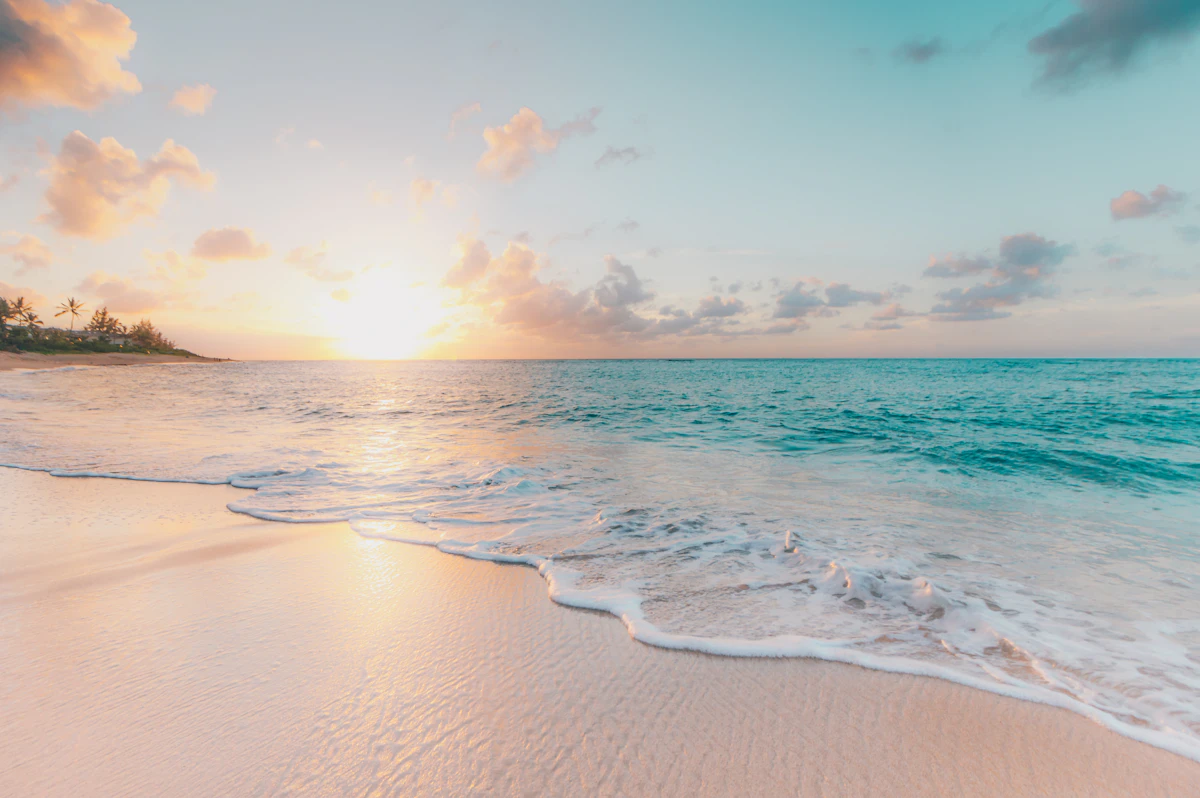
Aljezur is the Algarve’s wild west: a hilltop white town above the Costa Vicentina, where Atlantic swell, cliff paths, and surf culture replace marina gloss. The Igreja Matriz and the narrow streets of the old centre feel rooted and local, while the municipality’s beaches, strung along a rugged coast, are among the most scenic in Portugal.
You come for Praia da Amoreira where the river meets the sea, Praia do Monte Clérigo, the surf and cliff drama of Praia da Arrifana, and Praia de Odeceixe just to the north. Sweet potato (batata doce) dishes and produce from the Monchique foothills give the food a distinct identity. Wind, rips, and steep access paths are real here – it rewards prepared travellers and disappoints anyone expecting calm resort swimming every day.
Best for
Surfers, hikers on Rota Vicentina sections, and nature photographers. Couples who pair surf mornings with Lagos old-town evenings. Travellers who want Vila do Bispo / Sagres drama from a greener, town-based north-coast base. And anyone avoiding Albufeira-style nightlife entirely. Families need to accept driving between beaches rather than walking to one calm bay.
Beaches & outdoors
Treat every beach day as conditions-led. Arrifana has surf schools and strong currents; Amoreira suits mixed river-and-sea exploring at lower tide; Monte Clérigo offers iconic cliff views down a steep walk. The seasonal Vale dos Homens waterfall walk is a popular inland cool-down.
Pack reef-safe sunscreen, wind layers, and shoes with grip – not flip-flops for the cliff paths. Dogs are common on the Vicentina trails, so respect leash rules in nesting zones.
Food
Look for batata doce soups, croquettes, and desserts in the local restaurants. Seafood is straightforward: grilled fish of the day, octopus in season, and post-surf cafés along the road to Arrifana. Aljezur town has a compact set of restaurants; Odeceixe and Carrapateira expand the choice on day loops.
Day trips
Sagres and Cabo de São Vicente (30-40 minutes) deliver lighthouse sunsets and exposed headlands. Lagos (35-45 minutes) contrasts with sheltered coves and busier grotto boat trips. Monchique makes a cooler mountain half-day, and Silves adds castle-and-river history. Do not try all three in one day – west-coast driving times add up.
Getting around
A car is strongly recommended, and for most visitors non-negotiable if you want more than one beach. Bus links exist but are infrequent. Roads to the beaches are narrow, so summer patience at the Arrifana and Amoreira car parks is essential. Faro Airport is roughly 1 hour 15 minutes to 1 hour 30 minutes.
When to go
April-June and September-October balance surf, hiking, and manageable crowds. Summer is busy, windy, and parking-competitive but lively. Winter brings powerful seas and empty trails – excellent for walks and photography, poor for unplanned swimming. Check IPMA sea forecasts before cliff routes after storms.
Next: In-town hotels are limited, so Lagos is the nearest full-service base for most trip styles – see where to stay in Lagos. Then lock one flexible hotel and your Faro transfer before you compare flights, transfers, and car hire.